
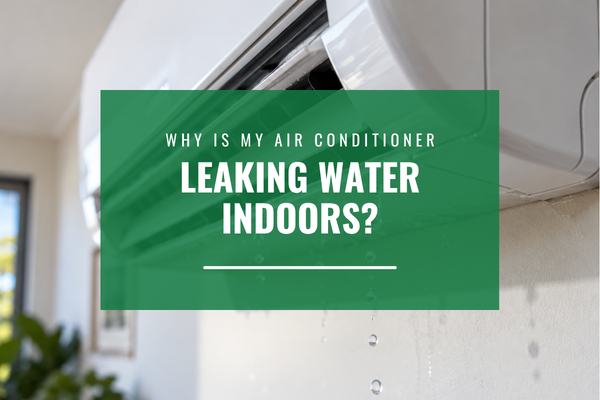
Finding water dripping from your indoor air conditioning unit can be concerning, particularly when it starts running down a wall, collecting on the floor, or leaving marks on the ceiling.
While air conditioners naturally produce condensation during cooling, that water should drain away through the system’s designated drainage pipe. When water starts leaking inside your home, something is usually preventing it from draining correctly.
For homeowners across the Hunter Valley, including Maitland, Newcastle, Cessnock, and surrounding areas, this problem can become more noticeable during warmer weather when air conditioners are working harder.
The good news is that many indoor air conditioning leaks have identifiable causes, and some can be resolved without replacing the entire system.
This guide explains why your air conditioner might be leaking water indoors, what you can safely check, and when professional attention is needed.
Is It Normal for an Air Conditioner to Produce Water?
Yes. Producing condensation is a normal part of how air conditioning works.
When your air conditioner operates in cooling mode, warm indoor air passes over a cold evaporator coil. Moisture from the air condenses on the coil, forming water droplets.
These droplets collect in a drain pan and flow through a condensate drain pipe to a suitable discharge point.
Under normal conditions, this process happens without water entering your living space.
The problem begins when the water cannot drain correctly or forms somewhere it should not.
It’s also important to distinguish between water dripping from the indoor unit and water coming from the outdoor unit.
According to Fujitsu General Australia’s explanation of outdoor unit drainage, water dripping outside can be normal, particularly when a reverse cycle system is heating or defrosting.
Water leaking from the indoor unit, however, should be investigated.
1. A Blocked Condensate Drain Pipe
One of the most common causes of an air conditioner leaking water indoors is a blocked condensate drain.
Over time, dust, dirt, algae, and other debris can accumulate in the drainage system.
When the pipe becomes restricted, condensation cannot flow away properly. Water may then collect in the drain pan until it overflows.
Signs of a Blocked Drain
Common warning signs include:
Water dripping from the bottom of the indoor unit.
Water running down the wall beneath the split system.
Intermittent leaks during extended cooling periods.
Musty smells coming from the air conditioner.
Little or no water draining from the usual outlet during humid cooling conditions.
A blocked drain may be relatively straightforward for a technician to clear, but leaving it unattended can result in damage to walls, flooring, or surrounding materials.
The manufacturer’s Daikin air conditioning troubleshooting guide also identifies drainage obstructions and bends in the drain hose as possible causes of indoor water leakage.
2. Dirty Air Filters Restricting Airflow
Air filters collect dust and airborne particles as air circulates through your system.
When filters become heavily clogged, airflow across the indoor cooling coil can be reduced.
Under certain operating conditions, restricted airflow can contribute to excessive cooling of the coil and the formation of ice.
When that ice melts, the resulting water may exceed what the drainage system can manage, causing water to leak from the indoor unit.
What Can You Do?
Checking and cleaning accessible air filters is one of the simplest maintenance tasks homeowners can undertake.
Depending on your system, this generally involves:
Switching off the air conditioner.
Opening the indoor unit’s filter cover according to the manufacturer’s instructions.
Carefully remove the filters.
Cleaning them using the method recommended in the owner’s manual.
Allowing washable filters to dry completely before reinstalling them.
Avoid operating the system without its filters in place.
If water continues leaking after the filters have been cleaned, another issue may be contributing to the problem.
For more everyday care advice, see our guide to air conditioning maintenance tips.
3. A Frozen Evaporator Coil
Ice forming on an indoor air conditioning coil is not normal during cooling operation.
A frozen coil can develop when airflow is restricted or when the refrigeration system is not operating correctly.
Possible contributing factors include:
Severely blocked air filters.
Obstructed return air openings.
Dirty indoor coils.
Faulty fans or airflow components.
Refrigerant-related faults.
When the ice eventually melts, water may drip from areas outside the normal drainage path.
What Should You Look For?
Signs of a frozen coil may include reduced cooling performance, unusually weak airflow, or visible ice on accessible components.
If you notice these symptoms, switch the system off and arrange an inspection.
Do not attempt to remove ice with sharp objects, dismantle the unit, or access refrigerant components.
If your system is also struggling to maintain a comfortable temperature, our article on why your air conditioner is not cooling properly explains other common causes worth investigating.
4. A Damaged or Incorrectly Positioned Drain Pipe
The condensate drain pan collects moisture before directing it into the drainage pipe.
If the pan becomes cracked, damaged, displaced, or heavily contaminated, water may escape before reaching the drain.
Older systems can sometimes develop drainage problems as components deteriorate or become affected by accumulated debris.
A damaged drain pan is not always visible without removing internal covers.
If the water appears to be coming from several points beneath the indoor unit, rather than one consistent location, the drain pan may need professional inspection.
A technician can determine whether cleaning, adjustment, or component replacement is required.
5. Installation or Drainage Problems
Sometimes an indoor water leak is related to how the air conditioning system was installed.
Condensate drainage relies on appropriate pipe positioning, support, and a clear route for water to escape.
Problems can develop where:
Drain pipes have insufficient fall.
Pipework has become kinked or obstructed.
Drain connections are loose or damaged.
The indoor unit is incorrectly positioned.
A conensate pump is malfunctioning.
These issues may become noticeable soon after installation or develop later if components move or deteriorate.
If your air conditioner has leaked since it was installed, it is worth having the installation and drainage arrangement checked.
6. Condensation Forming Around Refrigerant Pipes
Not every indoor water leak comes directly from the drain pan.
Refrigerant pipework can become cold during operation. If pipe insulation is damaged, missing, or incorrectly installed, moisture from surrounding air may condense on exposed cold surfaces.
This can cause water to drip inside wall cavities, ceiling spaces, or near the indoor unit.
The problem may be more noticeable during humid weather.
Unlike a simple filter-cleaning issue, condensation around concealed pipework generally requires professional investigation to identify the source and correct the insulation or installation problem.
What Should You Do If Your Air Conditioner Is Leaking Water?
If you notice water dripping indoors, taking prompt action can help minimise damage.
Safe Steps to Take
Switch Off the Air Conditioner
Avoid continuing to operate a system that is actively leaking.
Protect Nearby Surfaces
Place towels or a suitable container beneath the leak where it is safe to do so.
Keep Water Away From Electricity
Do not touch wet electrical equipment, switches, or outlets.
Check Accessible Filters
If safe and permitted by the manufacturer’s instructions, inspect them for excessive dust.
Look for Obvious Obstructions
Check whether the visible end of the external drain outlet is blocked, without dismantling anything.
Arrange an Inspection
If the cause is unclear or the leak continues, contact a qualified technician.
If water is reaching electrical fittings, avoid the affected area and seek appropriate electrical assistance.
Do not remove electrical covers, open refrigerant connections, or attempt to clear concealed drainage pipes using unsuitable tools or chemicals.
Can You Keep Using an Air Conditioner That Is Leaking Water?
It’s generally best not to continue operating an air conditioner that is actively leaking indoors.
Even a relatively small leak can cause problems over time.
Depending on where the water collects, potential consequences include:
Damage to plasterboard, paint, or flooring.
Staining around walls and ceilings.
Moisture accumulation inside building materials.
Mould growth where damp conditions persist.
Damage to nearby electrical components.
The source of the leak also matters.
For example, a blocked drain may require cleaning, while a frozen coil could indicate a more significant airflow or refrigeration problem.
Continuing to run the system without identifying the cause may allow the underlying fault to worsen.
How Can Regular Servicing Help Prevent Water Leaks?
Not every water leak can be prevented, but routine care can reduce the likelihood of problems developing unnoticed.
During professional air conditioning servicing, a technician can inspect important components, including drainage arrangements, coils, filters, and system performance.
Depending on the equipment and service requirements, this may involve:
Checking condensate drainage for restrictions.
Cleaning or inspecting accessible drain components.
Inspecting indoor coils and airflow.
Checking filters and internal cleanliness.
Identifying signs of abnormal operation.
Assessing system performance.
Homeowners can also help by keeping filters clean, maintaining clear airflow around the equipment, and arranging regular air conditioning maintenance.
For systems operating frequently during Hunter Valley summers, these checks can be particularly valuable.
Is a Leaking Air Conditioner Worth Repairing?
In many cases, yes.
A blocked drain, dirty coil, or damaged drainage component does not automatically mean the entire air conditioning system needs replacing.
The most appropriate solution depends on the cause of the leak, the system’s age, its overall condition, and the cost of the required work.
For an otherwise reliable system, repairing the fault may be a practical option.
However, if an older unit has repeated problems, poor performance, or several components nearing the end of their service life, replacement may be worth considering.
Our guide on when to repair or replace your air conditioner explains the factors that can help with that decision.
Get Your Leaking Air Conditioner Checked
An air conditioner leaking water indoors is often a sign that something needs attention, whether it’s a blocked drain, restricted airflow, damaged component, or installation issue.
Identifying the cause early can help prevent unnecessary property damage and restore reliable cooling.
Carrick Air Conditioning provides air conditioning servicing, fault diagnosis, and repairs across Maitland, Newcastle, Lake Macquarie, Cessnock, Singleton, and surrounding Hunter Valley areas.
If your air conditioner is dripping water inside your home, \ to arrange an inspection and discuss the most suitable next step.