In Maitland and across the Hunter Valley, air conditioning systems work hard for much of the year. Long, hot summers, periods of humidity, and cool winter mornings all place steady demand on both residential and commercial systems. That is why a regular air conditioning service is not just a formality. It is an important part of protecting comfort, energy efficiency, and long term system reliability.
Many homeowners are unsure what actually happens during a professional service visit. Others wait until something goes wrong before calling for help. Understanding what is included in aircon servicing, and when to book it, can help you avoid unexpected breakdowns and extend the life of your system.
What is Included in a Professional Air Conditioning Service
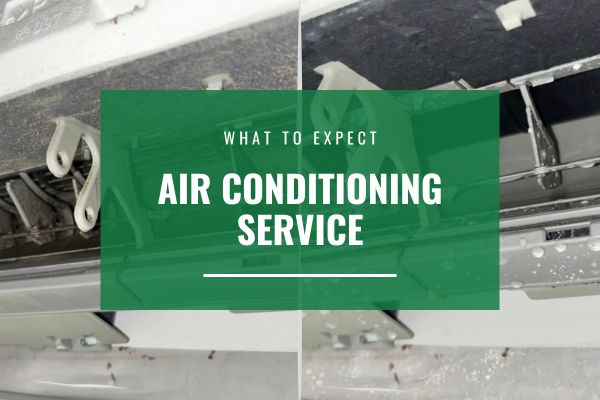
A thorough air conditioning service is far more than a quick filter clean. It is a structured inspection and maintenance process designed to keep the entire system operating safely and efficiently.
For a typical split system service, this usually includes:
Cleaning filters and internal components
Filters are removed, cleaned, and checked for wear. Over time, dust, pollen, and debris build up, especially in homes near open paddocks or busy roads. Blocked filters reduce airflow and force the system to work harder.
The indoor coil and fan components are inspected and cleaned where necessary. This improves airflow, cooling performance, and indoor air quality.
Checking electrical connections and controls
Loose or deteriorating electrical connections can cause intermittent faults or even system failure. During air conditioning maintenance, all accessible electrical components are inspected and tested to ensure safe operation.
Thermostats and control settings are also checked to confirm they are communicating properly with the system.
Inspecting refrigerant levels and performance
Refrigerant levels are assessed to ensure the system is cooling as designed. Low refrigerant can indicate a leak and will reduce efficiency. Technicians also check operating pressures and temperatures to confirm overall performance.
Assessing drainage and outdoor units
Blocked drain lines are a common issue in humid conditions. Drainage systems are inspected and cleared if required to prevent water leaks inside the property.
The outdoor unit is also checked for debris, airflow obstruction, corrosion, or physical damage. In some Maitland properties, fallen leaves or grass clippings can accumulate around the unit and restrict performance.
For larger ducted systems and commercial units, servicing may include additional testing, airflow checks, and zone assessments.
Why Regular Air Conditioning Maintenance Matters in the Hunter Valley Climate
The local climate plays a significant role in how often a system should be serviced. Maitland experiences hot summer days, seasonal humidity, and occasional cold snaps. These fluctuations place consistent demand on reverse cycle systems.
Without regular maintenance, small issues can escalate. A partially blocked coil or dirty fan may not stop the system immediately, but it reduces efficiency. That means higher electricity bills and more wear on internal components.
In residential homes, especially older properties with limited insulation, systems often run for extended periods. In commercial environments such as offices, retail spaces, and workshops, air conditioning may operate for most of the day. In both cases, preventative servicing supports:
- Improved energy efficiency
- Longer system lifespan
- More consistent temperature control
- Reduced risk of unexpected breakdowns
For properties closer to coastal areas such as Lake Macquarie or Newcastle, salt in the air can contribute to corrosion. While Maitland is further inland, dust and rural conditions can also affect outdoor units. Routine servicing addresses these local factors before they cause damage.
How Often Should You Book an Air Conditioning Service?
For most residential systems, an annual service is recommended. Ideally, this should be scheduled before the peak cooling season begins, typically in spring. This ensures the system is ready for summer demand.
For homes that rely heavily on air conditioning year round, or for larger ducted systems, servicing every 6 to 12 months may be appropriate.
Commercial properties generally require more frequent aircon servicing due to longer operating hours. Offices, medical centres, retail stores, and hospitality venues often benefit from scheduled maintenance plans tailored to usage levels.
If you notice any of the following, it may be time to book a service sooner:
Reduced cooling or heating performance
Musty smells
Higher than normal energy bills
Water leaks from the indoor unit
Addressing these signs early can prevent the need for more extensive air conditioning repairs later.
The Long Term Benefits of Preventative Servicing
Air conditioning systems are a significant investment. Whether you have a single split system or a full ducted installation, regular maintenance protects that investment.
Preventative care reduces strain on major components such as compressors and fan motors. When parts operate under less stress, they are less likely to fail prematurely.
Energy efficiency is another key benefit. A well maintained system does not need to run as long or as hard to achieve the desired temperature. Over time, the savings in electricity costs can offset the cost of servicing.
For families, clean filters and coils also contribute to healthier indoor air. In homes with children, elderly residents, or people with allergies, this can make a noticeable difference.
For business owners, reliable performance reduces the risk of downtime, discomfort for staff, and negative experiences for customers.
Residential and Commercial Servicing Considerations
While the core principles of air conditioning maintenance are similar, the approach can vary between homes and commercial premises.
In residential properties, the focus is often on comfort, air quality, and efficiency. Technicians assess system sizing, usage patterns, and overall condition.
In commercial settings, servicing may involve multiple indoor units, larger outdoor condensers, and zoning controls. Compliance requirements, safety checks, and documentation may also be relevant.
Across Maitland and the broader Hunter Valley, having a local team familiar with different property types ensures servicing is tailored to real world conditions rather than generic assumptions.
When a Service Becomes a Repair
During an air conditioning service, technicians may identify components that are worn or failing. In many cases, minor adjustments or part replacements can be carried out before a complete breakdown occurs.
This is one of the main advantages of preventative servicing. Instead of discovering a fault on a 40 degree day, issues are identified early and managed in a controlled way.
If a more significant problem is found, you will receive clear advice about the next steps. In some cases, repair is the best option. In others, particularly with older systems, replacement may be more cost effective long term.
Book an air conditioning service with Carrick Air Conditioning to keep your system running efficiently across Maitland and the wider Hunter Valley.
Frequently Asked Questions
How long does an air conditioning service take
For a standard split system, servicing typically takes between 60 and 90 minutes. Larger ducted or commercial systems may take longer depending on size and condition.
Is aircon servicing really necessary every year
Yes. Even if your system appears to be working normally, annual servicing helps maintain efficiency and reduces the risk of unexpected faults during peak demand.
Can I clean my air conditioner myself
You can clean or replace accessible filters, which is helpful between professional visits. However, a full air conditioning service involves electrical checks, performance testing, and internal cleaning that should be carried out by a qualified technician.
Does regular servicing reduce energy bills
A well maintained system operates more efficiently. While savings vary depending on usage and system type, improved efficiency can reduce overall running costs over time.